The beauty industry is experiencing a quiet revolution. More consumers are turning away from conventional cosmetics packed with synthetic chemicals and embracing handmade organic makeup instead. This shift reflects a growing awareness of what we put on our skin and how our beauty choices impact both personal health and the environment.
Handmade organic makeup represents more than just a trend—it’s a return to beauty basics. These products combine the artisanal care of small-batch production with the purity of natural, organically sourced ingredients. Unlike mass-produced cosmetics that prioritize shelf life and cost-effectiveness, handmade organic makeup focuses on skin health, environmental sustainability, and ethical sourcing.
This comprehensive guide explores everything you need to know about natural beauty products, from understanding what makes them special to creating your own DIY beauty recipes at home. Whether you’re dealing with sensitive skin, seeking more sustainable beauty options, or simply curious about natural cosmetics, you’ll discover why handmade organic makeup is transforming the beauty landscape.
Understanding Handmade Organic Makeup
Handmade organic makeup differs significantly from conventional cosmetics in both ingredients and production methods. These natural cosmetics are crafted in small batches using organically grown plant materials, mineral pigments, and other naturally derived ingredients. The “organic” designation means ingredients are grown without synthetic pesticides, herbicides, or chemical fertilizers.
The handmade aspect involves careful, artisanal production processes that preserve the integrity of natural ingredients. Instead of industrial manufacturing that relies on harsh processing and synthetic preservatives, handmade organic makeup uses gentle extraction methods and natural preservation systems.
Key characteristics include minimal processing of raw materials, absence of synthetic fragrances and dyes, use of plant-based oils and waxes as bases, and incorporation of beneficial botanicals like chamomile, calendula, and rosehip oil. These products often feature biodegradable packaging and transparent ingredient sourcing.
The Gentle Power of Organic Ingredients
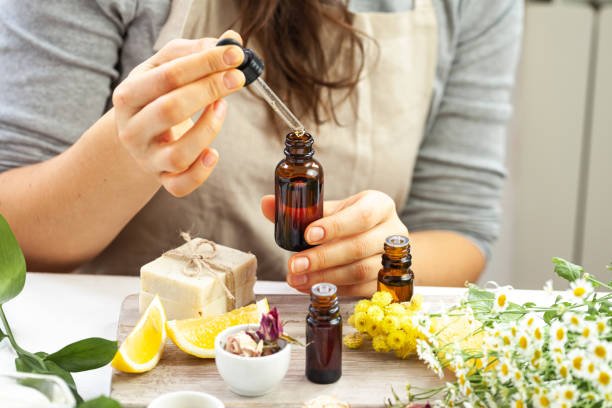
One of the most compelling reasons to choose handmade organic makeup is its gentle nature. Conventional cosmetics often contain harsh chemicals that can irritate sensitive skin, clog pores, or cause allergic reactions. Organic makeup formulations avoid common irritants like parabens, sulfates, phthalates, and artificial fragrances.
Natural ingredients actively nourish the skin while providing cosmetic benefits. Jojoba oil, for example, closely mimics the skin’s natural sebum and provides excellent moisturization without clogging pores. Zinc oxide offers natural sun protection while remaining gentle enough for sensitive skin types.
Many organic ingredients contain antioxidants, vitamins, and minerals that promote skin health. Vitamin E acts as a natural preservative while protecting skin from free radical damage. Plant extracts like green tea and pomegranate provide anti-inflammatory properties that soothe irritated skin.
The absence of synthetic additives means reduced risk of hormonal disruption, skin sensitization, and long-term health concerns associated with chemical absorption through the skin.
Why Choose Handmade Over Mass-Produced?
The differences between handmade organic makeup and mass-produced alternatives extend far beyond ingredients. Mass production prioritizes efficiency, uniform appearance, and extended shelf life, often at the expense of ingredient quality and environmental impact.
Handmade organic makeup supports sustainable practices through local sourcing, minimal packaging, and small-scale production that reduces carbon footprint. Many artisans work directly with farmers and suppliers, ensuring fair trade practices and supporting local communities.
Quality control in handmade production allows for attention to detail impossible in mass manufacturing. Each batch can be tested and adjusted for optimal performance, resulting in products that often exceed the quality of their mass-produced counterparts.
The customization possibilities are virtually limitless with handmade products. Artisans can adjust formulations for specific skin types, create unique color combinations, and accommodate individual preferences or allergies.
DIY Organic Makeup Recipes to Try at Home
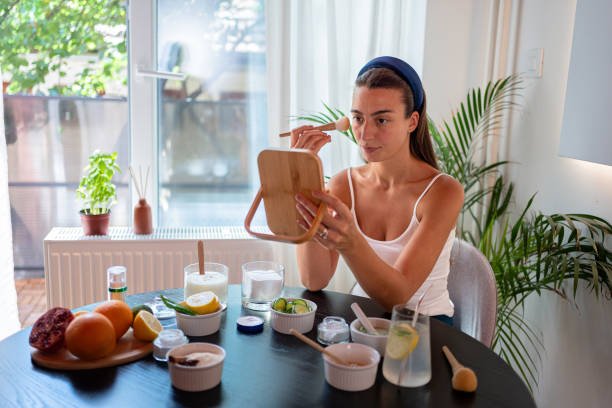
Creating your own organic makeup DIY projects allows complete control over ingredients while exploring your creative side. These handmade cosmetics recipes use simple, natural ingredients available from health food stores or online suppliers.
Simple Tinted Lip Balm
Combine 2 tablespoons coconut oil, 1 tablespoon shea butter, 1 tablespoon beeswax pellets, and 1/4 teaspoon beetroot powder for natural color. Melt ingredients together using a double boiler, stir until smooth, then pour into small containers to set.
Natural Cream Blush
Mix 1 tablespoon coconut oil, 1 teaspoon arrowroot powder, 1/2 teaspoon hibiscus powder, and a few drops of rosehip oil. Blend until smooth and store in a small jar. This creates a buildable, natural-looking flush.
Mineral Foundation Powder
Combine 2 tablespoons arrowroot powder, 1 tablespoon kaolin clay, 1 teaspoon zinc oxide, and iron oxide pigments to match your skin tone. Mix thoroughly and store in a powder compact. Adjust pigment ratios to achieve your perfect shade.
Supporting Local Artisans: Ethical Beauty Choices
The handmade organic makeup movement thrives on small businesses and independent artisans who prioritize quality over quantity. Companies like BeesButter create organic lip balms using locally sourced beeswax, supporting both local beekeepers and sustainable agriculture.
Greenleaf Cosmetics specializes in customizable foundation using mineral pigments, allowing customers to achieve perfect color matches while avoiding synthetic dyes. Their approach demonstrates how small businesses can offer personalization impossible with mass production.
Rooted Beauty focuses on plant-based mascaras and eyeliners, proving that natural ingredients can deliver performance comparable to conventional products. Earth Kissed creates handmade eyeshadow palettes featuring vibrant, natural colors derived from minerals and plant pigments.
Wildflower Apothecary represents the holistic approach many artisans take, creating organic, small-batch products infused with essential oils that provide both cosmetic and aromatherapy benefits.
Debunking Myths: Common Concerns About Organic Makeup
Several misconceptions persist about organic makeup that prevent consumers from making the switch. The most common concern involves longevity—many believe natural products don’t last as long. While organic makeup may have shorter shelf lives due to lack of synthetic preservatives, proper storage typically ensures 6-12 months of use.
Pigmentation concerns are largely unfounded. Modern organic makeup uses high-quality mineral pigments and plant-derived colors that provide excellent coverage and vibrancy. The key lies in proper formulation and quality ingredients.
Cost comparisons often favor mass-produced products initially, but organic makeup’s concentrated formulations and skin benefits provide better long-term value. Many users find they need less product per application, extending usage time.
Performance anxiety about organic makeup proving less effective dissolves with proper product selection. High-quality handmade organic makeup performs comparably to conventional alternatives while providing additional skin benefits.
Making the Switch: A Step-by-Step Guide
Transitioning to handmade organic makeup doesn’t require an overnight overhaul. Start by replacing products you use most frequently—typically foundation, mascara, and lip products. This allows you to evaluate how your skin responds to natural formulations.
Research brands thoroughly, reading ingredient lists and customer reviews. Look for certifications from recognized organic standards organizations. Many artisans provide detailed information about their sourcing and production methods.
Consider starting with multi-purpose products that can serve several functions. A tinted lip balm might work as both lip color and blush, while a mineral foundation can double as concealer.
Allow time for your skin to adjust to new formulations. Some users experience a brief transition period as skin adapts to natural ingredients and eliminates synthetic buildup.
Frequently Asked Questions
What exactly does “organic” mean in makeup?
How can I tell if a product is truly organic?
How long does handmade organic makeup typically last?
Are there any risks associated with making my own makeup?
Is handmade organic makeup eco-friendly?
Conclusion
The handmade organic makeup movement represents a fundamental shift toward conscious consumption and sustainable beauty practices. As consumers become more educated about ingredient safety and environmental impact, demand for natural beauty products continues growing.
This trend supports biodiversity through sustainable farming practices, reduces chemical pollution, and promotes fair trade relationships with ingredient suppliers. The transparency inherent in small-scale production builds trust between consumers and creators.
Choosing handmade organic makeup means investing in your health, supporting ethical business practices, and contributing to environmental sustainability. Whether you purchase from local artisans or create your own natural cosmetics at home, you’re participating in a movement that prioritizes people and planet alongside beauty.
The path to natural beauty starts with a single product choice. By embracing handmade organic makeup, you join a community committed to proving that effective, beautiful cosmetics don’t require compromising personal health or environmental integrity.