A few years ago, I sat in a dimly lit conference room watching a digital strategist demo a new tool that could “write your brand’s voice for you.” Back then, it felt like science fiction. The sentences were clunky, the tone off, and the content generic.
Fast forward to today, and AI isn’t just writing posts; it’s analyzing audiences, predicting trends, optimizing ad spend, and even managing customer service across platforms. The shift hasn’t been loud or dramatic. It’s been gradual, almost invisible, like water seeping through cracks. But make no mistake: AI social media marketing is now the backbone of effective digital strategy.
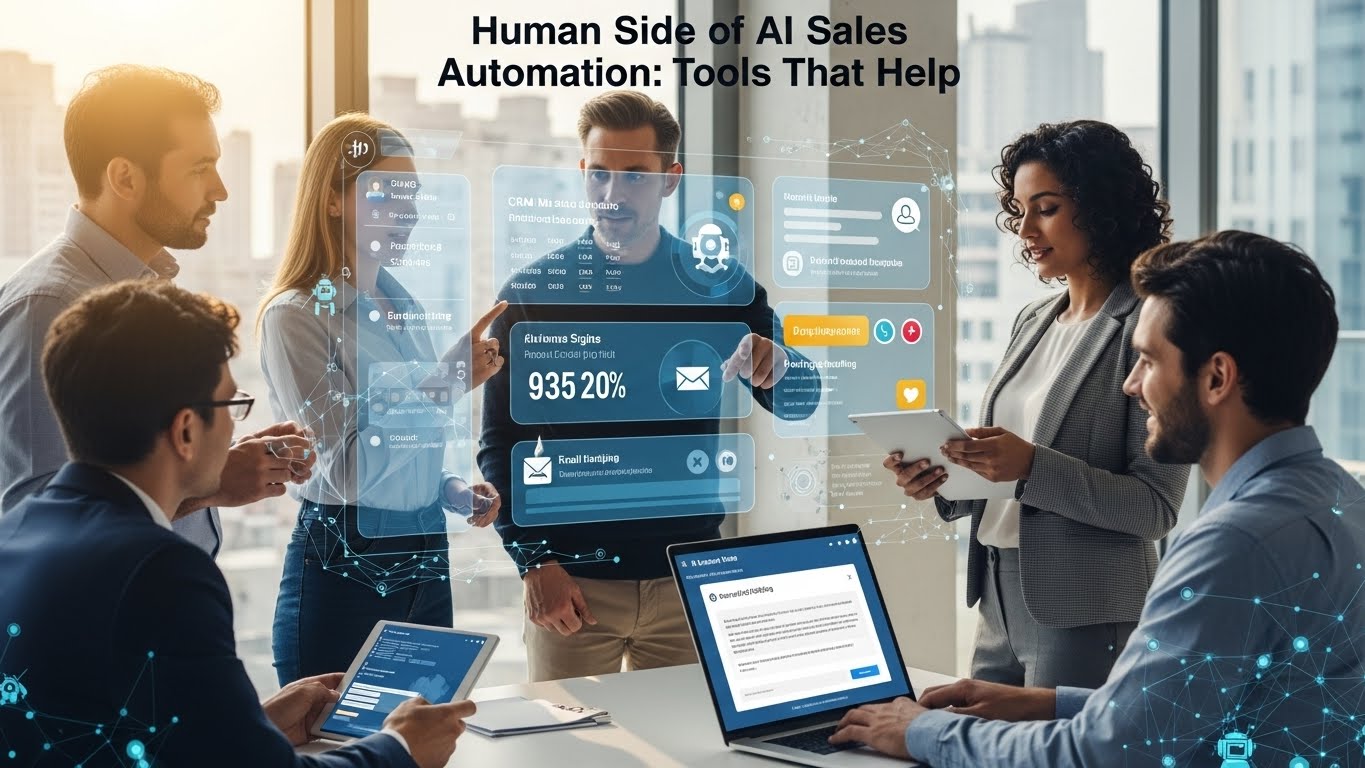
I’ve spent the last five years working with brands from local coffee shops to global fashion labels, helping them navigate this transformation. And what I’ve learned is that AI isn’t replacing marketers. It’s changing what we do. Instead of spending hours drafting captions or sorting through engagement metrics, we’re focusing on strategy, creativity, and human connection. The tools do the heavy lifting; we bring the soul.
From Guesswork to Precision:

Before AI, social media marketing was part art, part guesswork. You’d post something, cross your fingers, and hope it resonated. Maybe you’d A/B test two headlines if you were feeling ambitious. Now, AI analyzes millions of data points in real time. when your audience is online, what kind of content they engage with, how long they linger on a post, and even their emotional response to color and language.
Take sentiment analysis, for example. One of my clients, a skincare startup, was launching a new product line aimed at sensitive skin. Traditionally, they’d rely on surveys or focus groups to gauge reactions. With AI, we monitored real-time conversations across Instagram, TikTok, and Reddit.
Within 48 hours, the algorithm flagged rising frustration around the term fragrance-free being used ambiguously. We adjusted our messaging before the campaign fully launched. That kind of agility wasn’t possible five years ago.
Content Creation: Speed Without Sacrifice
Let’s address the elephant in the room: yes, AI writes social media copy now. But it’s not about churning out robotic posts. It’s about scaling quality. Tools like Jasper and Copy.ai don’t replace writers; they amplify them.
I use them daily to generate first drafts, brainstorm hashtags, or rephrase captions for different platforms. For instance, a single blog summary can become a LinkedIn thought piece, an Instagram carousel script, and three Twitter threads in under ten minutes.
But here’s the catch: the best results come from collaboration. AI suggests; humans refine. I once worked with a food brand whose AI-generated captions were technically correct but lacked warmth. They sounded like a recipe app, not a family-run business.
We trained the model using past posts, customer testimonials, and brand guidelines. Over time, it learned the rhythm of their voice, the playful emojis, the conversational tone, and the occasional dad joke. Now, it drafts 80% of their content, which I then tweak for authenticity.
Smarter Ads, Smaller Waste:
One of the biggest pain points in social media advertising has always been wasted spend. You target “women aged 25–34 interested in yoga,” only to find your ads showing up on accounts run by bots in Moldova. AI changes that. Platforms like Meta and TikTok use machine learning to optimize ad delivery based on performance signals, clicks, shares, watch time, and even cursor movements.
I ran a campaign last year for a boutique fitness studio using AI-powered lookalike audiences. Instead of broad demographics, the system identified micro-behaviors. People who paused on workout videos longer than average, searched for “home gym setup,” or engaged with mental wellness content. Our conversion rate jumped by 63%, and cost per lead dropped by nearly half. Was it magic? No. It was dataprocessed at scale.
Ethical Lines and Real Risks:

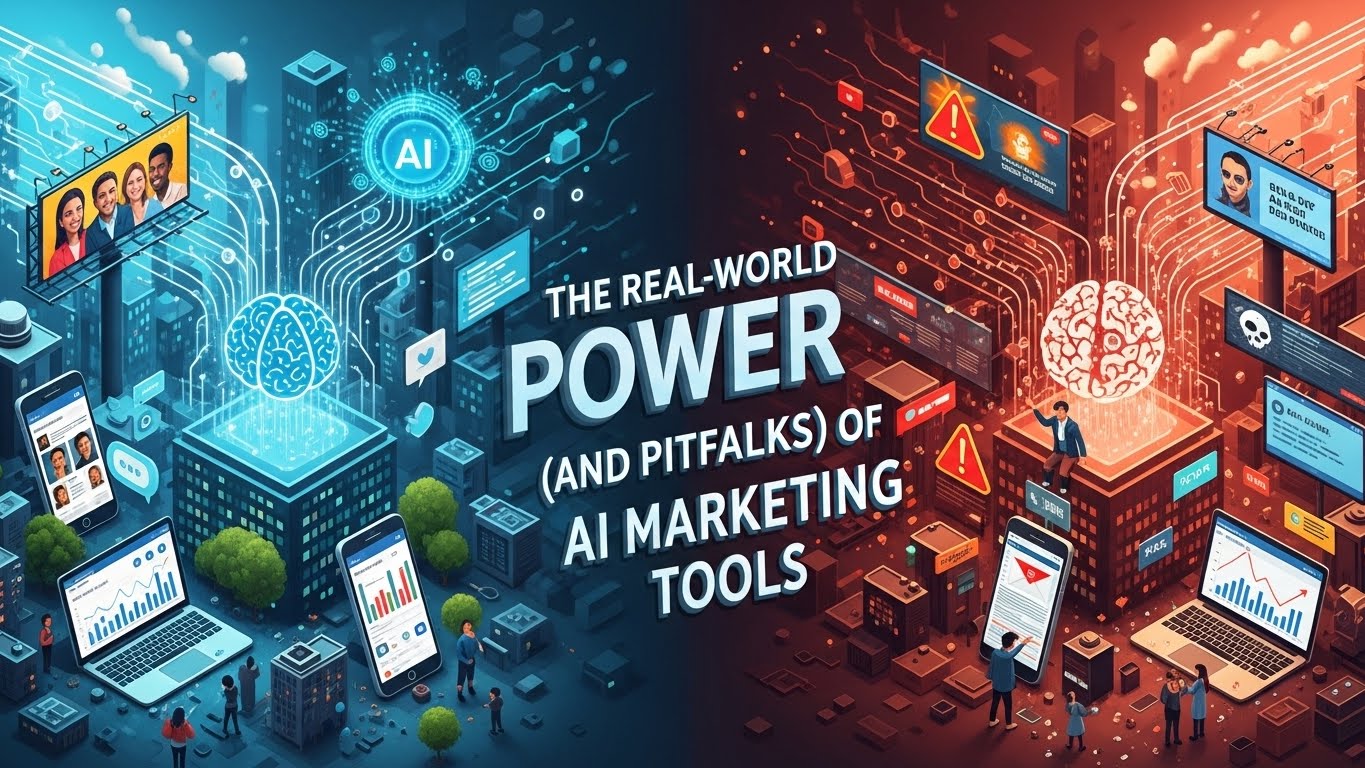
With great power comes responsibility, and AI in social media marketing is no exception. There are real ethical concerns: privacy, bias in algorithms, deepfakes, and the erosion of authentic connections. I’ve seen brands go too far.
One company used AI to generate fake user testimonials from synthetic influencers’ digital avatars posing as real customers. Engagement spiked initially, but when users discovered the truth, backlash followed. Trust, once broken, is hard to rebuild.
Then there’s algorithmic bias. AI learns from existing data, and if that data reflects societal inequalities, say, underrepresenting certain ethnic groups in beauty ads, the output will too. I’ve had to manually adjust targeting parameters to ensure inclusivity, reminding the system that “beauty” isn’t one shade or body type.
The Human Edge Still Wins
Despite all the advancements, the most viral post I’ve ever helped create wasn’t generated by AI. It was a raw, unscripted video of a founder crying after receiving a heartfelt customer letter. No filters. No hashtags. Just emotion. It gained over two million views because it felt real.
AI can mimic empathy, but it can’t feel it. It can predict what might go viral, but it can’t replicate the spark of a genuine moment. That’s where human marketers still hold the advantage. Our job isn’t to compete with AI, it’s to guide it, shape it, and inject it with meaning.
Looking Ahead
The future of AI in social media marketing isn’t about automation for automation’s sake. It’s about augmentation. We’ll see more predictive analytics, real-time personalization, and AI assistants that manage entire campaigns with minimal input.
Voice and visual search will grow. Augmented reality filters powered by AI will become standard in branded experiences. But the core will remain unchanged: people want connection, not convenience. They follow brands that stand for something, not just sell something.
So where do you start? Don’t overhaul everything overnight. Pick one area: content ideation, ad optimization, or community management, and experiment with an AI tool. Measure results. Adjust. Learn. Most importantly, keep the human touch at the centre
FAQs
What is AI social media marketing?
AI social media marketing uses artificial intelligence to automate, analyze, and enhance social media strategies from content creation to ad targeting and customer insights.
Can AI write social media posts effectively?
Yes, but the best results come from human-AI collaboration. AI drafts quickly; humans add tone, emotion, and brand authenticity.
Is AI replacing social media managers?
No. AI handles repetitive tasks, freeing marketers to focus on strategy, creativity, and relationship-building.
Are AI-generated influencers ethical?
It depends on transparency. Using synthetic influencers without disclosure can damage trust. Full disclosure is essential.
How can small businesses use AI in social media?
Start with affordable tools like Canva’s AI features, Buffer’s scheduling AI, or ChatGPT for caption ideas. Focus on saving time, not replacing judgment.
Does AI improve ad performance?
Yes. AI optimizes targeting, bidding, and content delivery in real time, reducing waste and increasing ROI.
What are the risks of AI in social media marketing?
Risks include data privacy issues, algorithmic bias, over-automation leading to impersonal content, and potential misinformation.
How do I train AI to match my brand voice?
Feed the AI examples of your best-performing content, brand guidelines, and customer feedback. Refine outputs manually until the tone feels right.

Related Posts