Ever wondered how Korean celebrities achieve that enviable, dewy glow? The secret lies in “glass skin”—a complexion so smooth, clear, and luminous, it mirrors the clarity of glass itself. This coveted Korean beauty trend has taken the skincare world by storm, promising a radiant, flawless complexion that’s more than just a trend—it’s a lifestyle.
Glass skin represents the pinnacle of skincare goals: poreless-looking, translucent skin with a natural, healthy glow that appears lit from within. Unlike heavily contoured or matte makeup looks, glass skin celebrates your natural complexion at its absolute best.
How to Achieve the Perfect Glossy Skin Look will walk you through everything you need to know to achieve this luminous complexion. From understanding the fundamentals to creating your personalized glass skin routine, you’ll discover the step-by-step process that has made this Korean beauty philosophy a global phenomenon.
What Exactly is “Glass Skin” and Where Does It Come From?
Glass skin originated in South Korea, where skincare is considered both an art form and a daily ritual. The Korean term “mul-gwang,” literally meaning “water-light,” describes skin that appears dewy, plump, and translucent—resembling the smooth surface of glass.
This beauty philosophy emphasizes three key characteristics: smoothness (free from visible pores and texture), clarity (even-toned without blemishes or discoloration), and luminosity (a natural, healthy glow). The concept gained worldwide attention through K-beauty influencers and has become synonymous with healthy, well-maintained skin.
The cultural significance runs deeper than surface beauty. In Korean culture, glass skin represents self-care, discipline, and respect for one’s body. It’s about achieving your skin’s healthiest state through consistent care rather than covering imperfections with makeup.
Understanding Your Skin Type for a Personalized Approach
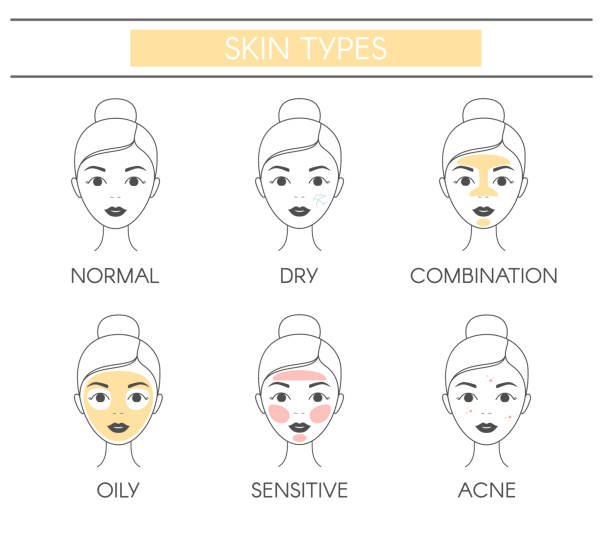
Before diving into any glass skin routine, understanding your skin type is crucial. Your approach should vary based on whether you have oily, dry, combination, or sensitive skin.
Oily skin benefits from lightweight, water-based products that won’t clog pores. Focus on balancing oil production while maintaining hydration. Dry skin requires richer, more emollient formulas to restore moisture barriers. Combination skin needs targeted treatment—lighter products for the T-zone and more hydrating options for drier areas.
Sensitive skin requires the most careful approach. Look for fragrance-free, hypoallergenic products and introduce new items one at a time. This prevents adverse reactions that could set back your glass skin journey.
Take our skincare quiz to determine your specific skin type and receive personalized product recommendations.
Key Steps to Achieve the Perfect Glossy Look
Double Cleansing: The Foundation
Start with an oil-based cleanser to remove makeup, sunscreen, and sebum. Follow with a gentle, water-based cleanser to eliminate any remaining impurities. This two-step process ensures your skin is perfectly clean without being stripped of natural oils.
The oil cleanse dissolves oil-soluble impurities, while the water-based cleanser tackles water-soluble dirt and sweat. This method prevents clogged pores while maintaining your skin’s natural moisture barrier.
Gentle Exfoliation for Smooth Texture
Chemical exfoliants containing AHAs (like glycolic or lactic acid) or BHAs (salicylic acid) work more effectively than physical scrubs. These gentle exfoliators remove dead skin cells that can make your complexion appear dull or uneven.
Start with exfoliating 1-2 times per week, gradually increasing frequency as your skin builds tolerance. Over-exfoliation can damage your moisture barrier and cause irritation—the opposite of what you want for glass skin.
Hydrating Toner: pH Balance and Prep
A hydrating toner serves multiple purposes in your glass skin routine. It balances your skin’s pH after cleansing, provides an initial layer of hydration, and prepares your skin to better absorb subsequent products.
Look for toners with ingredients like hyaluronic acid, glycerin, or ceramides. Pat the toner into your skin rather than wiping with a cotton pad to maximize hydration and minimize waste.
Essence: The Korean Secret Weapon
Essences are watery, lightweight products packed with active ingredients. They provide deep hydration while delivering targeted benefits like brightening or anti-aging. Apply essence by gently patting it into your skin until fully absorbed.
This step is often overlooked in Western skincare routines but is essential for achieving that signature Korean glow. Think of essence as concentrated hydration that plumps your skin from within.
Targeted Serums for Specific Concerns
Vitamin C serums brighten and protect against environmental damage, making them ideal for morning routines. Hyaluronic acid serums provide intense hydration, while niacinamide helps control oil production and minimize pore appearance.
Layer serums from thinnest to thickest consistency, allowing each to absorb before applying the next. This ensures maximum efficacy without pilling or reduced absorption.
Moisturizing: The Final Step
Moisturizing is the final step in any skincare routine, and it’s essential to lock in all the benefits of your previous steps. Look for moisturizers with ingredients like glycerin, ceramides, or hyaluronic acid for deep hydration.
For daytime use, choose a lightweight formula with SPF for added protection against sun damage. At night, opt for a richer cream or balm to help repair and rejuvenate your skin while you sleep.
Additional Tips:
- Don’t skip out on exfoliating regularly to slough off dead skin cells and reveal a brighter complexion.
- Incorporate face masks into your routine as needed for an extra boost of hydration or to target specific skin concerns.
- Don’t forget about your lips! Use a lip balm with SPF during the day and a hydrating overnight treatment at night.
- Stay hydrated by drinking plenty of water throughout the day. This will help keep your skin looking plump and healthy.
- Make sure to remove all makeup before going to bed, as sleeping with it on can clog pores and lead to breakouts.
- Use a gentle cleanser suited for your skin type twice a day to keep your skin clean without stripping away natural oils.
- Consider incorporating serums into your routine for targeted treatment of specific skin concerns, such as dark spots or fine lines.
- Remember that consistency is key when it comes to skincare. Stick with a routine for at least 4-6 weeks before expecting significant results.
- Don’t forget to exfoliate regularly to remove dead skin cells and reveal brighter, smoother skin.
- Use sunscreen daily, even on cloudy days, to protect your skin from harmful UV rays.
- Eat a balanced diet rich in fruits and vegetables to provide your skin with essential vitamins and minerals.
- Get enough sleep every night to allow your body time to repair and regenerate, leading to healthier-looking skin.
- Manage stress levels through relaxation techniques or exercise, as high levels of stress can contribute to skin issues such as acne or wrinkles.
- Remember that everyone’s skin is unique and may require different products or routines. Experiment and find what works best for you.
- Don’t forget to take care of your lips by using a lip balm with SPF protection and regularly exfoliating to remove dead skin cells.
- Avoid smoking and excessive alcohol consumption, as they can both have negative effects on your skin’s appearance.
- Consider incorporating facial massages or using a jade roller to improve blood flow and promote lymphatic drainage, leading to brighter and more youthful-looking skin.
- Stay hydrated by drinking plenty of water throughout the day, as dehydration can cause dryness, dullness, and wrinkles in the skin.
- Consult a dermatologist if you have persistent skin issues or concerns. They can provide personalized advice and treatments to help improve the health and appearance of your skin.
- Remember that everyone’s skin is unique, and what works for one person may not work for another. It’s important to listen to your own skin’s needs and adjust your skincare routine accordingly.
Incorporating Sun Protection
One crucial element often overlooked in skincare is sun protection. Exposure to harmful UV rays can lead to premature aging, sun damage, and even skin cancer. Therefore, it’s essential to incorporate sunscreen into your daily skincare routine, regardless of the weather or season.
Choose a broad-spectrum sunscreen with an SPF of at least 30 or higher to protect against both UVA and UVB rays. Apply it as the last step in your morning skincare routine and reapply every two hours if you’re spending extended time outdoors. You can also opt for makeup products with added SPF to ensure extra protection throughout the day.
Other ways to incorporate sun protection into your skincare routine include wearing protective clothing, seeking shade during peak sun hours, and avoiding tanning beds.
Importance of Hydration
Hydrated skin is healthy skin. Drinking plenty of water not only benefits our overall health but also has a significant impact on our skin’s appearance. When our body is dehydrated, our skin can appear dull, dry, and flaky. Therefore, drinking enough water throughout the day will contribute to plump, radiant, and youthful-looking skin.
Choosing the right moisturizer

Moisturizers are an essential part of any skincare routine as they help to lock in moisture, prevent water loss, and keep our skin hydrated. When choosing a moisturizer, it’s important to consider your skin type. For those with oily or acne-prone skin, opt for lightweight, oil-free formulas. Dry skin types can benefit from heavier creams or oils.
Another factor to consider is the ingredients in your moisturizer. Look out for hydrating ingredients like hyaluronic acid, glycerin, and ceramides. These ingredients work by attracting and retaining moisture in the skin, keeping it hydrated throughout the day.
In addition to moisturizing, it’s also important to exfoliate regularly. Exfoliation removes dead skin cells from the surface of the skin, allowing moisturizers to penetrate deeper and be more effective. It can also help unclog pores and prevent breakouts. There are two main types of exfoliants: physical and chemical. Physical exfoliants use small particles or tools to physically scrub away dead skin cells, while chemical exfoliants use acids or enzymes to dissolve them. Both methods can be effective, but it’s important to choose a gentle option that won’t irritate or damage the skin.
Sun protection is another crucial step in maintaining healthy and youthful-looking skin. Exposure to UV rays from the sun can cause premature aging, wrinkles, and even skin cancer. That’s why it’s important to wear sunscreen every day, even on cloudy days or in the winter. Look for a broad-spectrum sunscreen with an SPF of at least 30 and apply it generously to all exposed areas of your skin.
Aside from daily skincare habits, incorporating a healthy diet and lifestyle can also have a significant impact on your skin. Eating a balanced diet with plenty of fruits, vegetables, and healthy fats can provide essential nutrients that support skin health. Staying hydrated by drinking enough water is also important for keeping your skin hydrated and plump.
Exercise is another crucial factor for maintaining healthy skin. Regular physical activity promotes blood circulation, bringing oxygen and nutrients to the skin cells and helping to flush out toxins. Additionally, exercise can reduce stress levels, which can otherwise lead to inflammation in the body and affect the appearance of your skin.
Incorporating self-care practices into your routine can also have a positive effect on your skin. Taking time for relaxation and rest allows your body to recover and repair itself, leading to healthier-looking skin. This could include activities such as meditation, yoga, or simply taking a warm bath with some soothing essential oils.
Another important aspect of skincare is protecting your skin from harmful UV rays. Even when it’s not sunny outside, UV rays can still penetrate through clouds and cause damage to your skin. This is why it’s important to wear sunscreen with a high SPF every day, regardless of the weather.
In addition to external factors, what you put into your body also plays a crucial role in the health of your skin. A balanced diet full of fruits, vegetables, and healthy fats can provide essential vitamins and nutrients that promote radiant and clear skin. On the other hand, consuming too much sugar and processed foods can lead to inflammation and breakouts.
It’s also important to pay attention to any changes or concerns with your skin. If you notice any unusual spots or moles, it’s best to consult with a dermatologist for further examination. They can provide guidance on how to properly care for your skin and prevent potential health issues.
Maintaining a healthy skincare routine is crucial for the overall health of your skin. This includes regularly cleansing, exfoliating, moisturizing, and protecting your skin from UV rays. Using products that are suitable for your skin type and avoiding harsh chemicals can also help to keep your skin in good condition.
In addition to a healthy diet and skincare routine, exercise can also contribute to healthy and glowing skin. Regular physical activity helps to improve blood flow and nourishes the skin cells with oxygen and nutrients. It can also reduce stress levels, which can have a positive impact on the appearance of our skin
How to Achieve the Perfect Glossy Skin Look for healthy skin

Another key factor in maintaining healthy skin is proper hydration. Drinking plenty of water throughout the day helps to flush out toxins and keep the skin hydrated from within. This can help to prevent dryness, dullness, and other skin issues.
In addition to these external factors, our mental and emotional well-being also plays a crucial role in the health of our skin. Stress, anxiety, and lack of sleep can all take a toll on our skin’s appearance. Finding ways to manage stress and prioritize self-care can have a significant impact on our overall health and ultimately reflect on our skin.
Lastly, regular visits to a dermatologist can also be beneficial for maintaining healthy skin. They can provide personalized advice for your specific skin type and address any underlying issues that may be affecting your skin. They can also catch any potential skin problems early on and provide treatment before they become more serious.
Additionally, it’s important to remember that our skin is constantly changing and adapting. Just as we age, our skin does too. It’s essential to adjust our skincare routine accordingly and listen to what our skin needs at different stages of life.
In general, good overall health habits such as staying hydrated, getting enough exercise, and eating a balanced diet can also contribute to healthy, glowing skin. Our body is a complex system where everything is interconnected, so taking care of ourselves holistically will positively impact our skin as well.
Lastly, it’s crucial to understand that everyone’s skin is unique and what works for one person may not necessarily work for another. Experimenting with different products and routines can help us find what works best for our own individual skin type.
In conclusion, maintaining healthy, glowing skin is a continuous process that requires consistency, patience, and understanding of our own skin’s needs. By following the tips mentioned above and being mindful of our skincare routine, we can achieve radiant skin at any stage of life. Remember to always listen to your skin and make adjustments as needed to keep it happy and healthy. Cheers to happy and healthy skin!
External factors that effect the health of skin
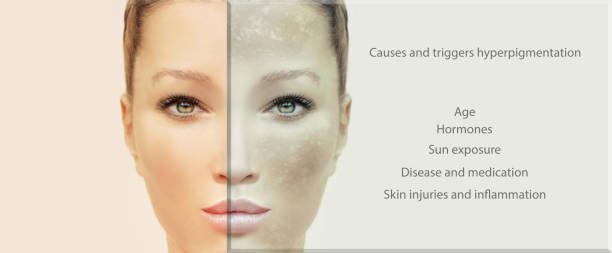
There are also various external factors that can affect the health of our skin, such as environmental pollutants, weather changes, and lifestyle habits. It is important to take these factors into consideration when developing a skincare routine
In addition to daily care, it is also essential to treat our skin with occasional treatments such as facials, chemical peels, or microdermabrasion. These treatments can help remove dead skin cells, improve skin texture, and give an overall rejuvenated appearanc
Moreover, nutrition plays a crucial role in maintaining healthy and radiant skin. Eating a balanced diet with plenty of fruits and vegetables can provide the necessary vitamins and minerals for our skin’s health. Similarly, staying hydrated by drinking enough water can also contribute to glowing skin.
It is also worth mentioning that self-love and self-care are essential for maintaining healthy skin. Taking time to relax, practicing stress-reducing activities such as yoga or meditation, and getting enough sleep can all contribute to a glowing complexion.
Some other tips for achieving vibrant skin include avoiding excessive sun exposure and wearing sunscreen daily, quitting smoking, and using gentle skincare products suitable for your skin type. Regularly exfoliating and moisturizing can also help maintain a smooth and radiant complexion.
In conclusion, while genetics do play a role in our skin’s appearance, there are many ways to achieve vibrant and healthy skin. By following a balanced diet, practicing self-care, and incorporating skincare treatments into our routine, we can improve the overall health of our skin and achieve that coveted glow. Remember to always consult with a dermatologist for personalized advice and stay consistent with a skincare routine. Here are some additional tips for maintaining healthy skin:
- Stay hydrated by drinking plenty of water throughout the day.
- Get enough sleep to allow your skin time to repair and rejuvenate.
- Exercise regularly to improve blood flow and nourish your skin cells.
- Limit alcohol consumption as it can dehydrate the skin and cause inflammation.
- Manage stress levels through relaxation techniques such as meditation or yoga.
- Avoid harsh chemicals in skincare products and opt for natural, gentle alternatives.
- Protect your skin from harmful UV rays by wearing sunscreen with at least SPF 30 daily.
- Pay attention to any changes in your skin and consult a dermatologist if necessary.
- Eat a balanced diet rich in fruits, vegetables, and healthy fats to provide essential nutrients for the skin.
- Avoid smoking as it can damage collagen and elastin, leading to premature aging.
- Get regular facials or professional treatments to deep clean and nourish your skin.
- Don’t neglect the rest of your body – moisturize and exfoliate all over for smooth, glowing skin.
In addition to these general tips, there are also specific steps you can take depending on your individual skin concerns. For those with oily or acne-prone skin, using oil-free or non-comedogenic products can help prevent breakouts. People with dry skin may benefit from incorporating hyaluronic acid or ceramides into their skincare routine to boost hydration. For those with hyperpigmentation or dark spots, using products with ingredients like vitamin C or niacinamide can help brighten and even out skin tone. And for those concerned about fine lines and wrinkles, incorporating retinol or other anti-aging ingredients can help improve the appearance of aging skin.
It’s also important to remember that everyone’s skin is unique and what works for one person may not work for another. Be patient and listen to your skin – if a product is causing irritation or breakouts, it may be time to switch it up. It’s also recommended to consult with a dermatologist if you have persistent skin concerns or are unsure about which products to use.
What does glossy skin mean?
How is glossy skin different from oily skin?
What skincare products help in achieving glossy skin?
Can I achieve glossy skin with makeup?
Final Thoughts
Taking care of your skin is not only about using the right products, but also developing healthy habits such as staying hydrated, getting enough sleep, and managing stress levels. A consistent skincare routine can help improve the overall health and appearance of your skin over time.
In conclusion, finding the right skincare routine for you may take some experimentation and patience, but it’s worth it in the long run for happy, healthy skin. Keep in mind the basic steps of cleansing, exfoliating, toning, moisturizing, and protecting to create a well-rounded routine. And don’t be afraid to seek professional advice or try out different products until you find what works best for your skin type. With dedication and proper care, you can achieve glowing, radiant skin that will make you feel confident and beautiful every day. So go ahead and treat your skin with love and it will thank you! Happy skincare journey! #NoFilterNeeded
Remember, skincare isn’t just about what you put on your face – it’s also about taking care of yourself from the inside out. Drink plenty of water, eat a balanced diet, and get enough sleep to promote a healthy complexion
In addition to daily cleansing, moisturizing, and protecting your skin from the sun, incorporating regular exfoliation can help improve overall skin health. This process removes dead skin cells, allowing for better absorption of skincare products and promoting a more radiant complexion.
Using face masks or treatments once or twice a week can also provide additional benefits for your skin. Whether you choose a hydrating mask to add moisture, a clay mask to draw out impurities, or a chemical peel to improve texture and tone, incorporating these treatments into your routine can help address specific skin concerns.
Remember that everyone’s skin is unique and may require different approaches when it comes to skincare. It’s important to listen to your skin and adjust your routine accordingly if you notice any changes or reactions.