
I remember sitting in my cramped office three years ago, staring at spreadsheets until my eyes watered, wondering if there had to be a better way to run my business. My small marketing consultancy was drowning in administrative tasks, customer inquiries, and data that I just couldn’t make sense of fast enough. That’s when I started exploring artificial intelligence tools, not the fancy, enterprise-level systems that cost more than my annual revenue, but practical AI solutions built for businesses like mine.
What AI Actually Means for Small Businesses
Let’s clear something up right away: AI for small businesses isn’t about building robots or hiring data scientists. It’s about using smart software that learns from patterns and automates tasks that would otherwise eat up your valuable time. Think of it as hiring an incredibly efficient assistant who never sleeps, doesn’t take vacations, and gets better at their job every single day.
The beauty of modern AI systems is that they’ve become accessible. You don’t need a computer science degree or a Silicon Valley budget. Many solutions now operate on subscription models that cost less than hiring a part-time employee.
Where AI Makes the Biggest Impact
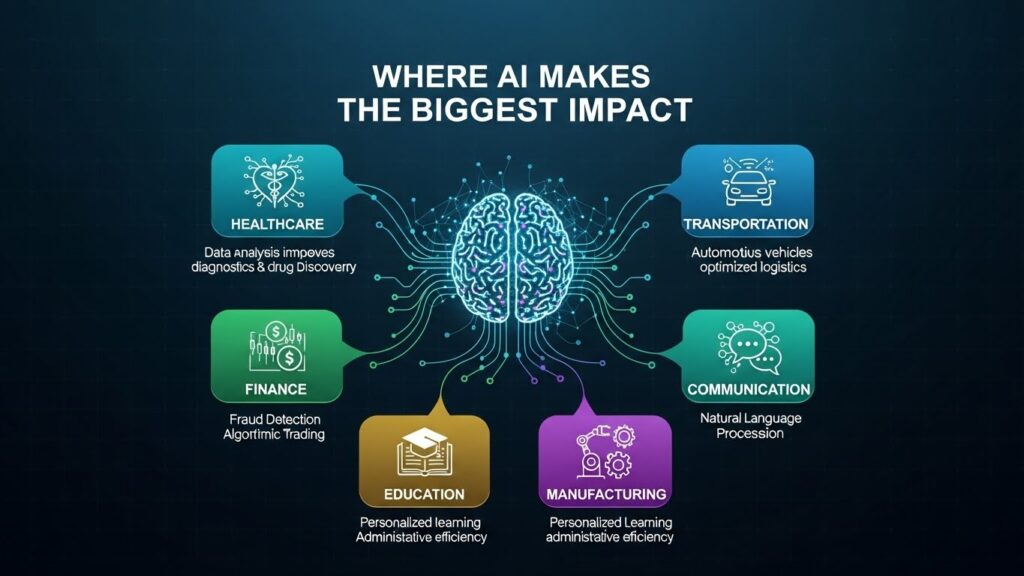
From my experience and conversations with other small business owners, AI tools tend to shine in a few specific areas.
Customer Service and Communication:
Chatbots were once clunky and frustrating, but today’s versions genuinely help. I implemented one on my website about eighteen months ago, and it now handles roughly 60% of initial customer inquiries without any human intervention. People ask about pricing, services, availability, and basic questions that used to interrupt my workday constantly.
The chatbot answers instantly, even at 2 AM when someone’s browsing from a different time zone. One local coffee shop owner I know uses an AI phone system that takes orders, answers questions about menu items, and even handles simple complaints. She told me it paid for itself within two months just by reducing the time her staff spent on the phone during rush hours.
Marketing and Content:
Small businesses often struggle with consistent marketing because, frankly, who has the time? AI writing assistants can help draft social media posts, email newsletters, and product descriptions. I use one to generate first drafts, which I then personalize and refine. It’s cut my content creation time in half.
Email marketing platforms now use AI to determine the best time to send messages to each subscriber, what subject lines might work best, and which customers are most likely to make a purchase. My open rates improved by nearly 30% when I started letting the system optimize send times instead of just blasting everything out at 9 AM on Tuesdays.
Inventory and Operations:
A friend who runs a small retail store struggled with inventory management for years, either running out of popular items or sitting on stock that wouldn’t move. She started using an AI-powered inventory system that analyzes sales patterns, seasonal trends, and even local events to predict what she’ll need. Her cash flow improved dramatically because she wasn’t tying up money in products that would gather dust.
For service businesses, AI scheduling tools can be transformative. They learn customer preferences, optimize appointment slots to minimize gaps, and send automatic reminders that reduce no-shows. I’ve seen these systems save small businesses dozens of hours monthly.
Financial Management:
Bookkeeping might be the least glamorous part of running a business, but it’s critical. AI accounting software now categorizes expenses automatically, flags unusual transactions, predicts cash flow problems before they happen, and even suggests tax deductions you might miss. My accountant actually recommended I start using one, and tax season became noticeably less painful.
Choosing the Right AI Tools:
The marketplace is crowded, and not every tool is worth the investment. Here’s what I’ve learned about making smart choices:
Start with your biggest pain point. Don’t try to automate everything at once. What single task consumes the most time or causes the most frustration? Address that first. For me, it was answering repetitive customer questions. For you, it might be managing social media or tracking expenses.
Look for integration capabilities. The best AI tools play nicely with software you already use. My chatbot connects with my CRM system, so every conversation becomes part of the customer record automatically. That integration multiplies the value.
Consider the learning curve. Some AI systems require significant setup time and training. Others work almost immediately out of the box. Be honest about how much time you can invest in implementation. I once abandoned a sophisticated tool because configuring it became a part-time job itself
The Real Costs and Limitations
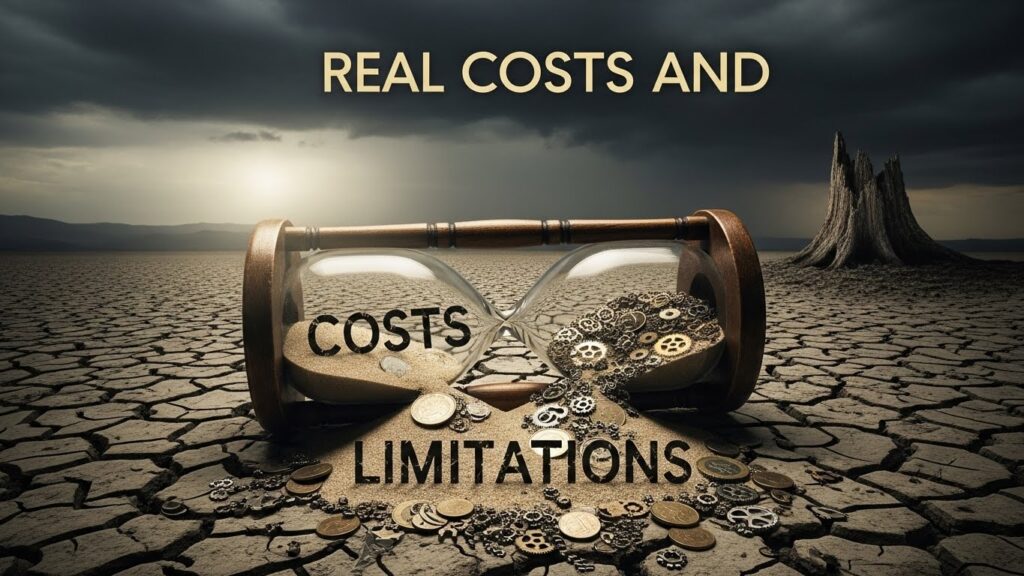
AI isn’t free, even when tools offer free tiers. Most useful systems cost between $30 and $300 monthly, depending on features and scale. Calculate the ROI honestly. If a tool saves you ten hours monthly, what’s that time worth? For many small business owners, the math works out clearly in favor of the subscription.
Also, AI makes mistakes. The chatbot occasionally misunderstands questions. The content generators sometimes produce awkward phrasing. You still need human oversight. I review chatbot conversations weekly and train the system on issues it handled poorly.
Privacy and data security matter too. Make sure any AI system you use complies with relevant regulations and protects customer information properly. Ask direct questions about where data is stored and who can access it.
Looking Ahead
The AI landscape for small businesses keeps improving. Tools are becoming more affordable, easier to use, and more capable. What seemed cutting-edge two years ago is now standard. What seems expensive today will likely become accessible tomorrow.
That said, AI works best as a complement to human judgment, not a replacement for it. The most successful small businesses I’ve observed use AI to handle routine tasks, freeing up people to do what humans do best: build relationships, solve complex problems creatively, and make nuanced decisions.
If you haven’t explored AI tools yet, start small. Pick one problem, try one solution, and see what happens. You might be surprised at how much difference a well-chosen system can make in your daily operations and overall peace of mind.
FAQs
Do I need technical skills to use AI tools for my business?
Most modern AI business tools are designed for non-technical users with simple interfaces and setup wizards. If you can use email and spreadsheets, you can likely handle these systems.
How much should a small business budget for AI tools?
Start with $50-100 monthly for one or two focused tools. You can scale up as you see results and identify additional needs.
Will AI replace my employees?
AI is better viewed as a tool that makes employees more productive rather than a replacement. It handles repetitive tasks so people can focus on higher-value work.
How do I know if an AI tool is actually working?
Track specific metrics before and after implementation: time saved, customer response rates, sales conversions, or whatever matters for that particular function.
What’s the biggest mistake small businesses make with AI?
Trying to do too much at once or choosing overly complex systems. Start simple, master one tool, then expand gradually.

Related Posts