
I remember sitting in a boardroom five years ago, watching a mid-sized manufacturing company’s leadership team argue about whether they really needed to go digital.” The CFO kept asking about ROI projections. The operations director worried about disrupting workflows that had worked for decades. The CEO just wanted to know how their competitors were pulling ahead.
That company eventually embraced digital transformation, not perfectly, not without stumbles, but they did it. Today, they’ve reduced operational costs by 34% and can respond to market changes in days rather than months.
That experience, along with dozens of similar projects I’ve witnessed across industries, taught me that digital transformation isn’t really about technology. It’s about survival, adaptation, and finding new ways to deliver value.
What Digital Transformation Actually Means
Let’s cut through the buzzword fog. Digital transformation is fundamentally about reimagining how your organization operates, serves customers, and competes using digital technologies as the enabler. It’s not just buying new software or moving files to the cloud. That’s digitization. Transformation goes deeper. It touches your business model, your culture, your customer relationships, and often your entire value proposition.
Think about how banking has changed. Twenty years ago, you waited in line to deposit a check. Now you snap a photo with your phone. That shift required banks to rethink everything from staffing models to security protocols to how they build customer loyalty when face-to-face interactions disappear.
The Real Drivers Behind This Shift
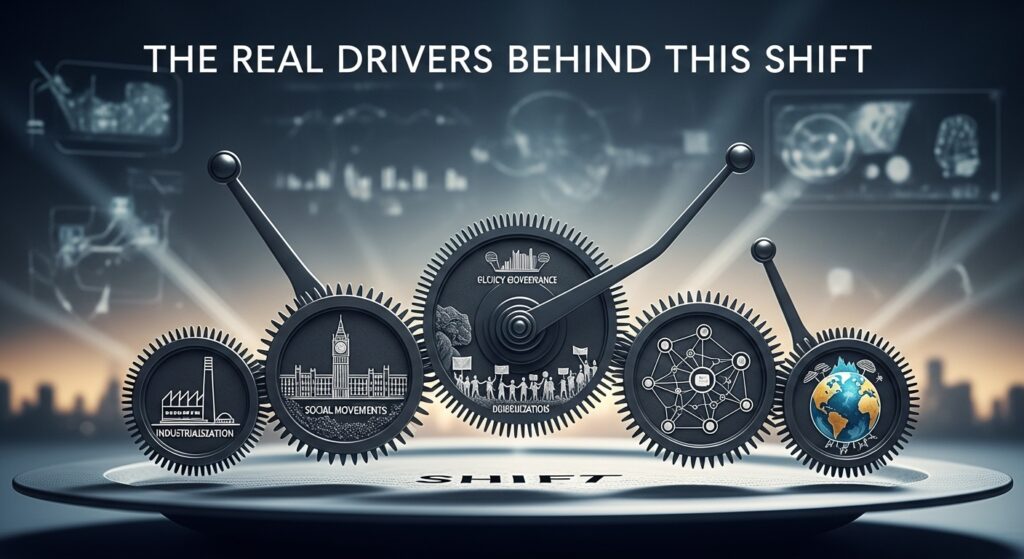
Several forces are pushing organizations toward digital transformation, and they’re not slowing down.
Customer expectations have fundamentally changed. People now expect Amazon-level convenience from every interaction. They want instant responses, personalized experiences, and seamless service across every channel. A recent study showed that 73% of consumers will abandon a brand after just two poor experiences.
Market disruption is accelerating. Industries that seemed stable are being upended by digital-native competitors. Traditional taxi companies didn’t see Uber coming. Hotel chains underestimated Airbnb. These disruptions happen faster now because digital businesses can scale without the capital constraints of physical infrastructure.
Operational efficiency demands are increasing. Labor costs rise, supply chains grow more complex, and margins tighten. Organizations that leverage automation, data analytics, and integrated systems can operate leaner while delivering more.
Where Organizations Actually Transform
From my experience working with companies at various stages of this journey, digital transformation typically touches four key areas:
Customer Experience
This is often where organizations start because the results are visible and measurable. Implementing omnichannel communication, personalizing marketing through data insights, and creating self-service portals can dramatically improve customer satisfaction and retention.
A regional healthcare network I consulted with reduced patient wait times by 40% simply by implementing an intelligent scheduling system that predicted no-shows and optimized appointment slots.
Operations and Processes
Automating manual workflows, implementing real-time monitoring, and connecting previously siloed systems create efficiency gains that compound over time. Manufacturing floors equipped with IoT sensors can predict equipment failures before they happen. Logistics companies can optimize routes dynamically based on traffic and weather data.
Business Models
Sometimes transformation means fundamentally rethinking how you make money. Software companies shifted from selling packaged products to subscription models. Equipment manufacturers now offer “equipment-as-a-service,” selling outcomes rather than assets.
Organizational Culture
Perhaps the hardest area to transform, but arguably the most important. Digital transformation requires new skills, new ways of working, and often new leadership mindsets. Organizations need to become more agile, more experimental, and more comfortable with failure.
Why Most Transformation Efforts Struggle

Here’s an uncomfortable truth: studies consistently show that 60-70% of digital transformation initiatives fail to meet their objectives. Having watched several of these failures unfold, I’ve noticed common patterns.
Starting with technology rather than strategy. Buying impressive technology without clear business objectives is like purchasing a sports car before knowing where you need to drive. The technology should serve the strategy, not the other way around.
Underestimating cultural resistance. People naturally resist change, especially when their jobs or expertise feel threatened. I’ve seen technically sound transformations collapse because leadership failed to bring their workforce along.
Expecting quick wins without long-term commitment. Real transformation takes years, not quarters. Organizations that treat it as a project rather than an ongoing journey often abandon efforts before results materialize.
Neglecting data foundations. Advanced analytics and automation are only as good as the data feeding them. Many organizations discover their data is fragmented, inconsistent, or inaccessible, and cleaning it up takes longer than anyone anticipated.
Making Transformation Actually Work
Based on what I’ve seen succeed, here’s practical advice:
Start with clear business outcomes. Define what success looks like in measurable terms. Is it reducing customer churn by 20%? Cutting order fulfillment time in half? Increasing revenue from digital channels? Get executive sponsorship, real sponsorship. Transformation requires resources, tough decisions, and patience. Leaders need to visibly champion the effort, not just approve budgets.
Invest in people as much as technology. Training, change management, and sometimes hiring new talent are as important as the platforms you implement. Build for flexibility. Technology evolves rapidly. Choose solutions and architectures that can adapt as
Looking Ahead
Digital transformation isn’t a destination; it’s a continuous process of adaptation. Technologies like artificial intelligence, machine learning, and advanced automation are raising the bar for what’s possible and expected. Organizations that build transformation capabilities into their DNA will thrive. Those who treat it as a one-time project will find themselves perpetually catching up.
Frequently Asked Questions
How long does digital transformation take?
Meaningful transformation typically takes 3-5 years, though initial results can appear within 12-18 months.
What’s the biggest mistake companies make?
Focusing on technology before clearly defining business problems and desired outcomes.
Is digital transformation only for large enterprises?
No. Small and mid-sized businesses often transform more successfully because they’re more agile.
How much should we budget for transformation?
Budget varies widely, but successful organizations typically invest 5-10% of annual revenue over multiple years.
Where should we start?
Start where you can demonstrate measurable impact quickly, often in customer experience or operational efficiency improvements.

Related Posts